Scott 3200A Tailwheel – Fully Rebuilt: Reliable Aircraft Ground Handling Performance
Scott 3200A Tailwheel – Fully Rebuilt: Reliable Aircraft Ground Handling Performance
Blog Article
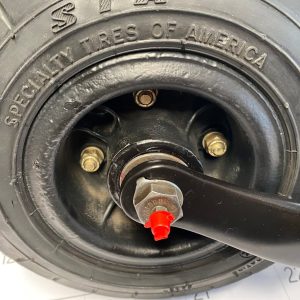
The Scott 3200A Tailwheel – Fully Rebuilt combines an established aviation design with inspected, serviced, adjusted, and replaced components intended to restore dependable mechanical operation. A fully rebuilt description should identify which bearings, bushings, springs, steering components, seals, fasteners, wheel parts, and wear items were replaced or retained.
The Scott 3200A Tailwheel Assembly remains relevant for restoration work, scheduled maintenance, worn-component replacement, and ground-handling improvement projects. Professional rebuilding can renew worn mechanical relationships when suitable components and procedures are used.
A worn or incorrectly configured Aircraft Tailwheel Assembly can contribute to shimmy, poor tracking, binding, excessive swivel, uneven tire wear, or difficult maneuvering. The General Aviation Tailwheel should be selected according to aircraft weight, tail load, wheel size, spring arrangement, steering configuration, runway environment, and installation requirements.
Whether buyers need an Aircraft Tailwheel, Taildragger Tailwheel, or complete Aviation Tailwheel System, model identification and rebuild details should be verified.
Overview of the Fully Rebuilt Scott 3200A
The assembly can respond to normal steering input while allowing broader movement when its internal mechanism releases appropriately. A system-level evaluation can identify the true cause of binding, looseness, poor centering, irregular tire wear, or inconsistent ground control.
Maintaining a Scott 3200A Tailwheel Assembly
The assembly is intended to withstand repeated ground operation when installed, adjusted, lubricated, and serviced correctly. Reusable parts may remain acceptable when they pass inspection, while worn or damaged components should be replaced appropriately.
Professional Scott Tailwheel Rebuilding
A thorough more info rebuild generally begins with complete disassembly, careful cleaning, detailed inspection, and measurement of wear-sensitive areas. Cosmetic refinishing should remain secondary to mechanical condition and structural integrity.
Aircraft Tailwheel Assembly Maintenance
The assembly carries tail weight while managing runway irregularities, side loads, repeated landing cycles, and directional forces. The entire installation should be reviewed whenever a rebuilt tailwheel is fitted.
General Aviation Tailwheel Reliability
A General Aviation Tailwheel may operate from paved airports, grass runways, gravel strips, private fields, dirt airstrips, and backcountry locations. A Scott 3200A may suit several aircraft types, but broad fitment should never be assumed from category alone.
Maintaining an Aircraft Tailwheel
A well-maintained Aircraft Tailwheel can support smoother tracking and reduce unnecessary pilot workload. A serviceable tire-and-wheel arrangement supports the work completed within the steering mechanism.
Taildragger Ground Handling
Mechanical wear, poor alignment, or unsuitable steering adjustment can increase pilot workload. Repeated hard pivoting can increase wear on the tire, bearings, springs, steering arms, fork, and mounting hardware.
Maintaining an Aviation Tailwheel System
A complete inspection helps avoid unnecessary replacement and repeated troubleshooting. Correct setup supports consistent Aviation Tailwheel System operation.
Maintaining a Tailwheel Steering Assembly
A professional rebuild should address the complete Tailwheel Steering Assembly rather than only visible exterior parts. The mechanism should not interfere with surrounding structure, chains, springs, fairings, or nearby aircraft components.
Choosing a Ground Handling Tailwheel
Its mechanical condition influences how easily the aircraft can turn and track on the ground. Towbars and handling equipment should match the aircraft and remain clear of vulnerable tailwheel components.
Maintaining Scott 3200 Series Components
Its established design supports servicing, adjustment, rebuilding, and parts replacement by knowledgeable aviation professionals. A visually similar tailwheel may contain important differences affecting installation or operation.
Maintaining a Heavy-Duty Aircraft Tailwheel
Rugged operations may involve gravel, grass, dirt, uneven surfaces, frequent cycles, contamination, and repeated loading. Aircraft operating regularly from unimproved strips may require more frequent servicing.
Buying Tailwheel Aircraft Parts
Correct Tailwheel Aircraft Parts protect the integrity and performance of the rebuilt assembly. The rebuild should examine all interacting parts rather than focusing on external appearance.
Choosing an Aircraft Steering Tailwheel
A rebuilt steering mechanism should be evaluated for smooth, consistent, and repeatable operation. Ground loops, abrupt turns, crosswind corrections, rough surfaces, and towing events can place side loads on the steering system.
Choosing a Replacement Aircraft Tailwheel
A Replacement Aircraft Tailwheel should be selected through exact aircraft application, mounting details, tail-spring configuration, steering arrangement, and suitable technical information. A professional pre-installation review protects both the aircraft and the buyer’s investment.
General Aviation Landing Gear Parts
General Aviation Landing Gear Parts include tailwheels, nose gear components, main gear assemblies, wheels, tires, brakes, bearings, springs, steering parts, and mounting hardware. The product description should explain whether components are rebuilt, repaired, serviced, inspected, untested, or sold for parts.
Scott 3200A Pre-Purchase Inspection
The rebuild date and identity of the rebuilder should be provided where available.
- Resolve identification, compatibility, and completeness questions before payment.
- Do not treat clean paint, fresh grease, or bright hardware as proof of a complete mechanical rebuild.
- Report missing parts, shipping damage, rough operation, identification discrepancies, or incomplete documentation according to the agreed terms.
Scott Tailwheel Fitment and Adjustment
Every fastener and component should match the intended installation and remain properly secured. Wheel rotation should remain smooth and centered within the fork.
A post-installation inspection can confirm hardware security and reveal early movement marks.
Long-Term Scott 3200A Care
Long-term maintenance includes lubrication, tire inspection, bearing review, steering-link checks, cleaning, fastener inspection, spring evaluation, and monitoring of ground-handling performance. Pilots should inspect the tailwheel before operation for tire damage, loose hardware, bent parts, steering-link condition, contamination, corrosion, and visible misalignment.
Corrosion protection may be especially important in humid, coastal, agricultural, outdoor-storage, or wet operating environments.
Scott 3200A Tailwheel Conclusion
For the correct installation, the rebuilt assembly can support directional steering, controlled swiveling, predictable taxiing, and long-term serviceability. A qualified aircraft maintenance professional should evaluate the complete installation before the tailwheel is returned to operational service.
Whether the project involves an Aircraft Ground Handling Tailwheel, Scott 3200 Series Tailwheel, Heavy-Duty Aircraft Tailwheel, or Tailwheel Aircraft Parts, rebuild documentation should be reviewed carefully. With qualified evaluation and continued care, the Scott 3200A Tailwheel – Fully Rebuilt can deliver a professional combination of durability, directional control, and reliable aircraft ground performance.
Report this page